
Corrugated Board Knives: Tips for Cutting Double-Wall vs. Triple-Wall
In the packaging and conversion industry, transitioning from cutting double-wall to triple-wall corrugated board is far more complex than simply scaling up operations. It requires a fundamental shift in how you manage your cutting tools. The structural differences between these two heavy-duty materials dictate specific knife configurations, material choices, and maintenance intervals to ensure clean cuts and prevent machine downtime.
Understanding the Structural Challenge
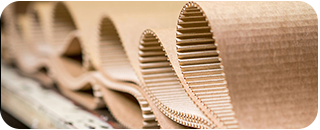
Double-wall corrugated board features two layers of fluted medium sandwiched between three liners, offering robust protection for standard industrial shipping. Triple-wall, however, introduces a third fluted layer and a fourth liner. This addition increases the material thickness exponentially, introducing massive internal friction and dense paper fibers that rapidly degrade subpar cutting edges.
Tips for Cutting Double-Wall Corrugated Board
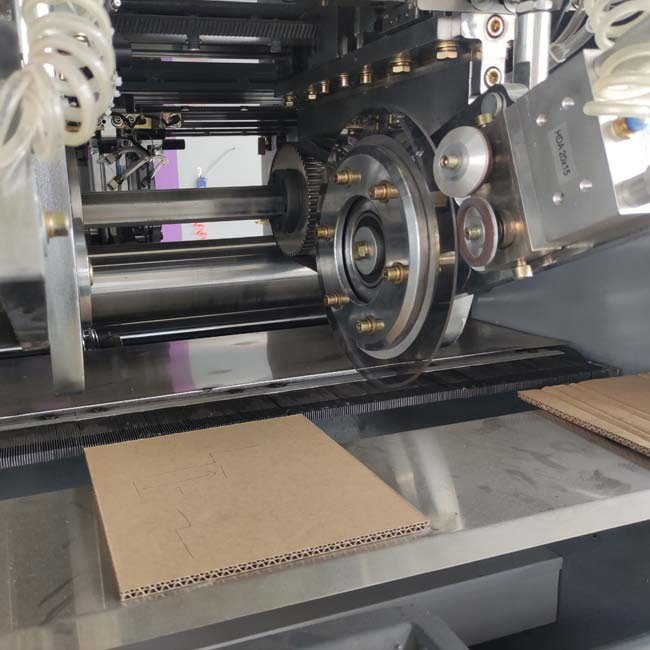
Double-wall boards strike a balance between structural strength and flexibility. To maximize efficiency when cutting double-wall material, consider the following settings:
- Bevel Angle: A standard double-bevel industrial knife works beautifully here, providing a clean split with minimal crush damage.
- Blade Sharpness: Because the material resists buckling better than single-wall, a highly honed, micro-grooved edge is optimal to shear through the double flute without pulling the liners.
Adapting to Triple-Wall: The Heavy-Duty Shift
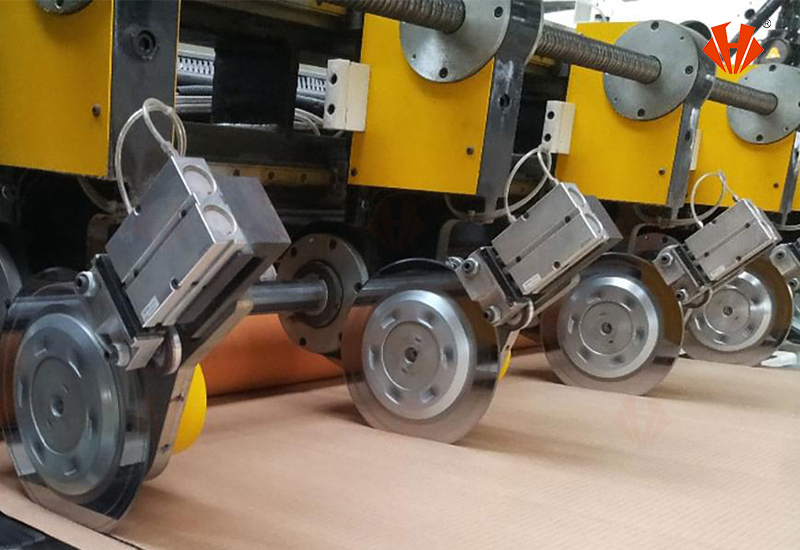
When your production line switches to triple-wall corrugated board, standard steel industrial knives will dull almost instantly, leading to frayed edges and poor dimensional accuracy. Optimize your workflow using these expert adjustments:
- Reduce the Bevel Profile: Triple-wall requires a narrower, more acute bevel angle to slice through the multi-layered thickness smoothly. A thick blade profile will “plow” through the material rather than cutting it, crushing the flutes and ruining structural integrity.
- Increase Heat Dissipation: The sheer volume of paper friction creates immense heat. Ensure your slitter-scorer or die-cutting systems run blades capable of handling thermal stress without warping.
- Upgrade the Blade Material: Traditional high-speed steel (HSS) lacks the necessary carbide density to withstand the abrasive nature of dense triple-wall fibers over extended runs. Upgrade to premium industrial carbide blades to ensure continuous runtime.
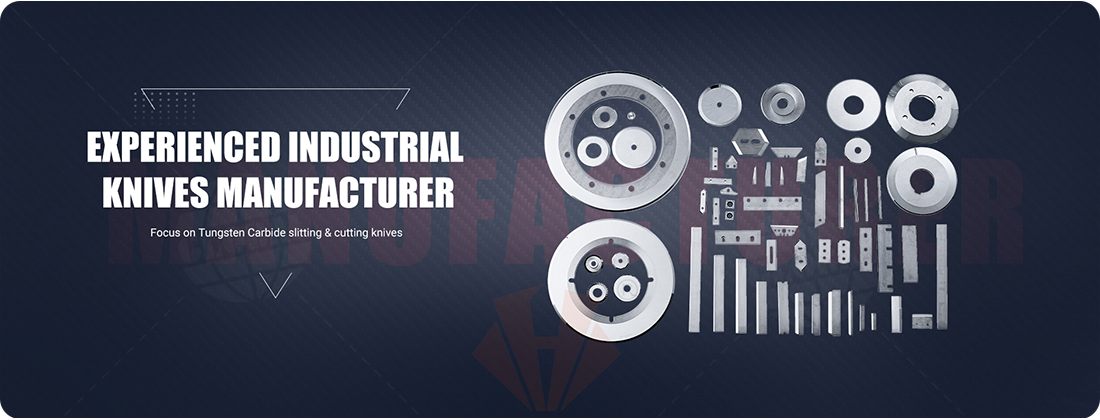
Successfully navigating the differences between double-wall and triple-wall corrugated board cutting comes down to tool selection. By fine-tuning your knife geometry and upgrading to ultra-hard carbide substrates, your converting lines can handle even the heaviest packaging materials cleanly, safely, and efficiently.
Post time: Aug-23-2026


