
Corrugated Slitter Knife Sharpening: In-Machine vs. Off-Machine
Blade Engineering · Corrugated & Packaging
A corrugator running at full speed doesn’t stop for a dull blade. Along the slitter-scorer section, a small grinding wheel rides against the edge of each knife the entire time the line is running, quietly restoring the bite that continuous board-cutting wears away. It’s easy to miss on a plant walkthrough — the knife never looks like it needs attention — until the day the sharpening stone itself wears out, or the blade in front of it is carbide, and the whole logic of “sharpen while you cut” stops working.
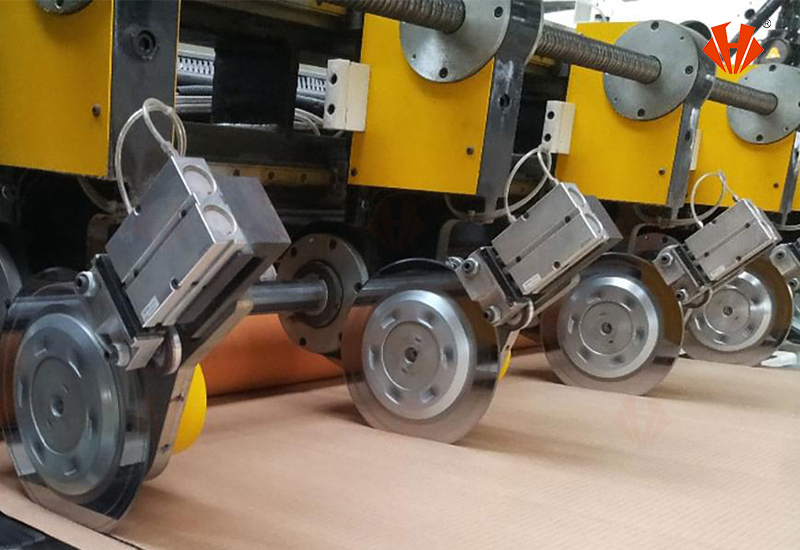
That’s the fork in the road most corrugated plants eventually reach: keep sharpening in-machine with an abrasive stone riding the edge, or pull the knife and send it out for a proper regrind. Both are legitimate strategies — they just aren’t interchangeable, and the right choice depends heavily on what the blade is made of.
In-Machine: Sharpening While You Cut
Most slitter-scorer sections are built with a resharpening device mounted right against the knife, typically a fine abrasive stone or wheel that maintains the edge continuously — or on command — while the line keeps running, without ever pulling the blade out of position. On computer-controlled scorers this cycle can run automatically or be triggered manually, and because it happens mid-production, it avoids the downtime a full knife change would cost. The catch is that the sharpening stone is itself a wear part: it eventually flattens out and needs replacing, and the abrasive action that keeps a steel blade sharp isn’t gentle enough, or precise enough, to be the whole story once carbide enters the picture.
Off-Machine: Regrinding for Carbide
Tungsten carbide slitter knives change the calculus. They hold an edge far longer than high-speed steel under the same abrasive board load, which is exactly why plants choose them for high-volume lines — but that same hardness means an in-machine grinding stone can’t restore the edge geometry efficiently once it does dull. Carbide needs diamond-grade grinding equipment to resharpen properly, which almost always means removing the knife from the machine and sending it to a specialist rather than relying on the stone built into the slitter section.
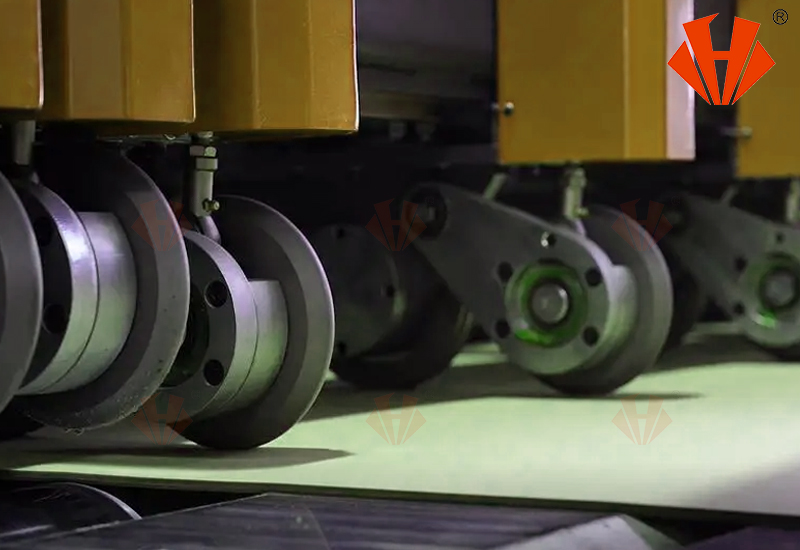
The trade-off works in the plant’s favor more often than not. Because carbide dulls so much more slowly, it needs this off-machine attention far less frequently than a steel blade needs its in-line stone, and a well-executed regrind can restore a carbide knife’s edge geometry cleanly enough to put it back into service several times before it’s finally retired. A precise off-machine regrind can also polish the edge to a finer finish than a production-line stone typically achieves, which matters because a smoother edge sheds cardboard dust and fiber instead of letting it cake onto the blade.
| In-Machine | Off-Machine | |
| Typical blade | High-speed steel, thin tungsten alloy steel | Tungsten carbide |
| Downtime | Minimal — sharpens during production | Requires knife swap while original is reground |
| Equipment needed | Built-in abrasive stone or wheel | Diamond-grade grinding equipment |
| Sharpening frequency | Continuous or frequent, matched to steel’s faster wear | Infrequent — carbide holds its edge much longer |
|
5–10×
longer edge life, carbide vs. HSS in high-volume lines
|
Multiple
regrind cycles per carbide knife before retirement
|
“In-machine sharpening keeps a steel blade running. Off-machine regrinding is what makes a carbide blade worth buying in the first place.”
Choosing the Right Blade for Your Sharpening Strategy
Huaxin Cemented Carbide Co. focuses on using advanced materials and manufacturing processes to produce blades that excel in hardness, wear resistance, and sharpness. Their expertise in carbide technology makes them a trusted partner for businesses in need of high-quality thin film carbide blades. For corrugated lines weighing in-machine convenience against off-machine precision, that expertise translates into slitter knives engineered to hold a working edge through long production runs, so the regrind interval stretches out and the line spends more time cutting board and less time waiting on a knife.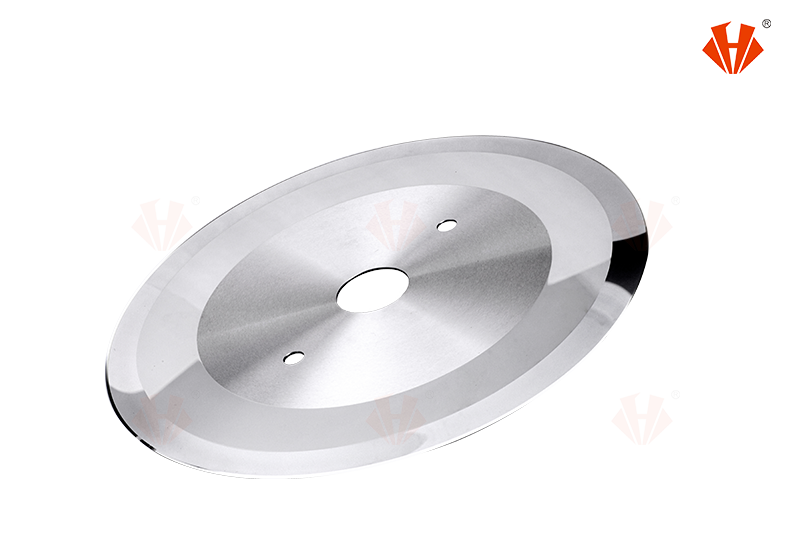
Can carbide slitter knives be sharpened in-machine at all?
A production-line stone can maintain a steel edge continuously, but it typically isn’t precise or hard enough to restore carbide efficiently once it dulls — carbide is better served by a proper off-machine diamond regrind.
Why do some plants still choose steel blades with in-machine sharpening?
For lower-volume or budget-conscious lines, the near-zero downtime of continuous in-machine sharpening can outweigh carbide’s longer edge life, especially where the sharpening stone itself is inexpensive to keep replacing.
How often should a carbide slitter knife go out for regrinding?
It depends on board volume and density, but because carbide wears far more slowly than steel, most high-volume lines find their carbide knives need far fewer regrind cycles per year than a comparable steel blade needs sharpening passes.
Not sure whether your corrugator line should switch to carbide, or how long a regrind cycle to plan for? Send us your slitter section’s specs and Huaxin’s engineers will help you work out the right blade and sharpening strategy.
Post time: Sep-04-2026


