
How to Reduce Downtime by Choosing Long-Life Tobacco Circular Knives
Tobacco Manufacturing · Production Efficiency
How to Reduce Downtime by Choosing Long-Life Tobacco Circular Knives
In high-volume tobacco processing, the performance of circular knives directly shapes machine availability, product quality, and long-term profitability.
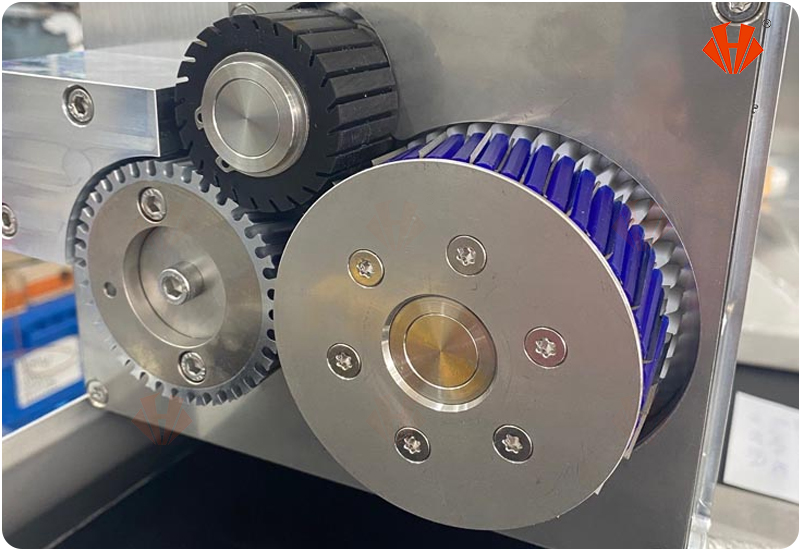
While manufacturers often focus on machinery upgrades and automation improvements, one essential component is frequently overlooked — the tobacco circular knife. These blades play a vital role in cutting tobacco leaves, stems, reconstituted sheets, filter materials, and packaging. Their quality and lifespan directly affect machine performance and overall production efficiency.
01Understanding Downtime in Tobacco Processing
Downtime in tobacco production lines commonly results from frequent blade replacement, unexpected breakage, poor cut quality requiring machine adjustments, excessive blade wear, or product contamination caused by damaged cutting edges. When cutting tools lose their sharpness, operators must halt production — and in high-volume environments, these interruptions accumulate quickly.
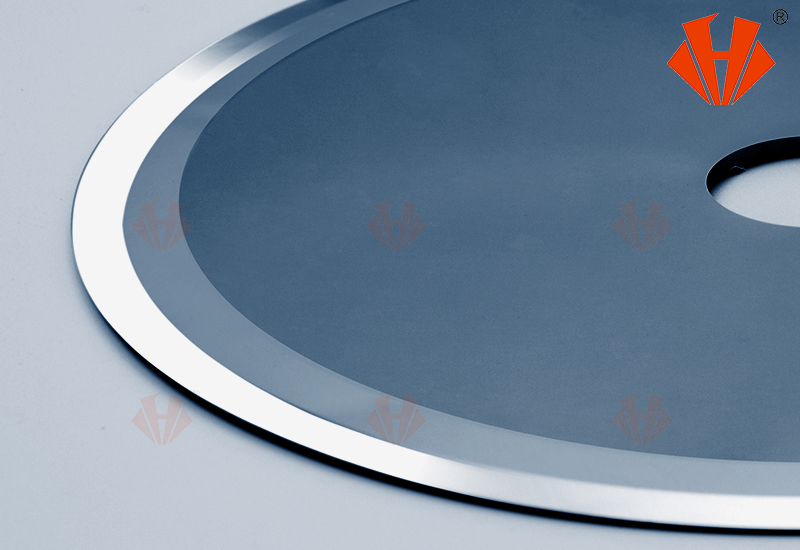
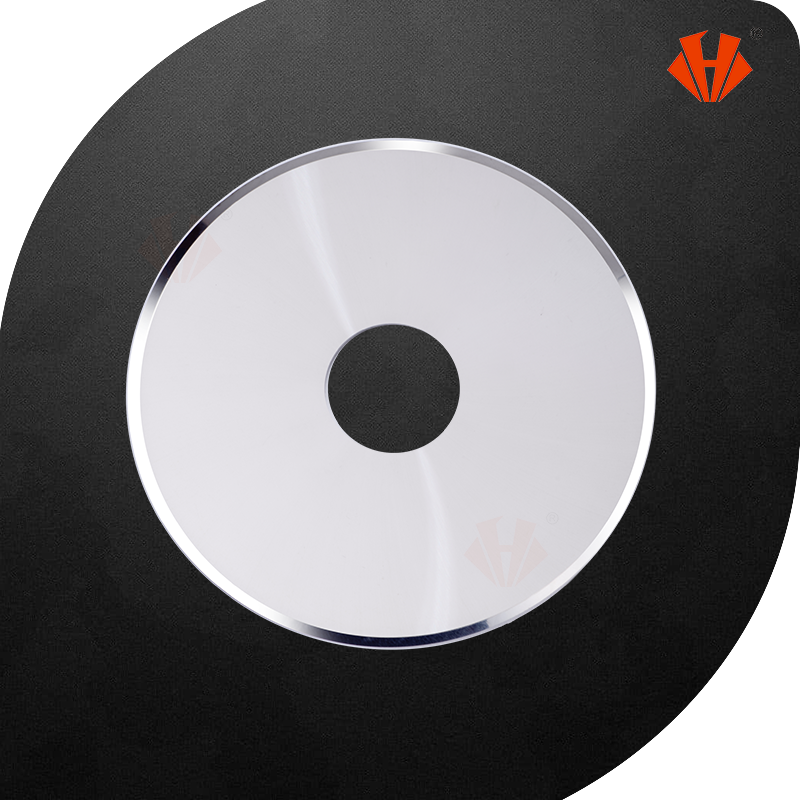
“The longer a blade remains sharp and dimensionally stable, the fewer interruptions the production team experiences — and the more output the line delivers.”
02Why Knife Lifespan Matters
A tobacco cutting line may operate continuously for many hours each day. Long-life circular knives deliver three core advantages:
Reduced blade change frequency
Extended service life means fewer production stoppages, higher machine availability, and lower labor and maintenance costs.
Consistent cutting performance
Sharp edges are maintained throughout the blade’s life, ensuring clean cuts, uniform particle size, and stable product quality.
Lower inventory costs
Durable knives reduce the need to stock large quantities of spare blades, simplifying procurement and lowering storage costs.
Improved OEE
Fewer interruptions and better cut quality combine to measurably improve overall equipment effectiveness across the line.
03Key Features of Long-Life Circular Knives
Premium carbide materials
High-quality tungsten carbide offers significantly better wear resistance than standard tool steels — superior hardness, excellent abrasion resistance, longer edge retention, and greater dimensional stability. Carbide knives are particularly suited to high-speed production environments.
Precision grinding technology
The quality of the cutting edge directly influences blade performance. Precision-ground knives provide lower cutting resistance, reduced heat generation, improved accuracy, and longer operational life. Advanced grinding techniques ensure optimal edge geometry and consistency across batches.
Superior surface finish & tight tolerances
A smoother blade surface reduces friction, material adhesion, and energy consumption. Tight manufacturing tolerances maintain balance and stability during high-speed rotation, minimizing vibration, uneven wear, and premature failure.
04Calculating the Real Cost of a Knife
Many buyers focus primarily on purchase price. The more accurate measure is total operating cost over the blade’s service life:
| Factor | Standard knife | Long-life knife |
|---|---|---|
| Initial cost | Lower | Higher |
| Blade life | Short | Extended |
| Replacement frequency | High | Low |
| Downtime cost | High | Low |
| Labor cost | High | Low |
| Production efficiency | Lower | Higher |
Although premium knives carry a higher upfront cost, they consistently deliver substantially lower total ownership costs over their service life.
05Selecting the Right Supplier
When choosing a knife manufacturer, evaluate the following:
- Material expertise — experience across tungsten carbide grades, tool steel selection, and wear-resistant coatings
- Precision manufacturing — CNC grinding, advanced inspection systems, tight dimensional control, and consistent batch quality
- Customization support — custom diameters, special bore sizes, tailored edge profiles, and OEM replacement solutions
- Technical support — guidance on blade selection, operating parameters, maintenance schedules, and cutting performance optimization
06Best Practices for Maximizing Knife Life
Even the best circular knife requires proper handling. Follow these practices:
Installation
- Correct blade alignment
- Proper clamping pressure
- Accurate machine setup
Cleanliness
- Remove tobacco dust regularly
- Clear residue buildup
- Exclude foreign contaminants
Performance monitoring
- Increased cutting force
- Rough or uneven cut edges
- Excessive vibration
Operating parameters
- Avoid excessive cutting speeds
- Use correct feed rates
- Never overload the blade
07Why Manufacturers Are Switching to Carbide
As tobacco production lines become faster and more automated, cutting tools must keep pace with increasing performance demands. Modern carbide circular knives deliver:
Reducing downtime is one of the most effective ways to improve profitability in tobacco manufacturing. While many operational factors contribute to production efficiency, the performance of tobacco circular knives should never be underestimated.
By investing in high-quality, long-life circular knives made from premium carbide materials and manufactured with precision engineering, tobacco processors can significantly reduce blade replacements, improve cutting consistency, and keep production lines running smoothly.
The right tobacco circular knife is not merely a consumable part — it is a strategic investment in productivity, reliability, and long-term operational success.
Post time: Aug-17-2026


