
In the process of making tungsten carbide blades, the mixing ratio of tungsten carbide and cobalt powder is important, it is directly related to the tool's performance.
The ratio essentially defines the "personality" and application of the tungsten carbide blades.
To get a better understanding, we could say:
Tungsten Carbide (WC) is like the nut pieces in a cookie. It is extremely hard and wear-resistant, forming the main body and the "teeth" of the tool, responsible for cutting.
Cobalt (Co) is like the chocolate/butter in the cookie. It acts as the binder, "gluing" the hard tungsten carbide particles together while providing toughness and elasticity.
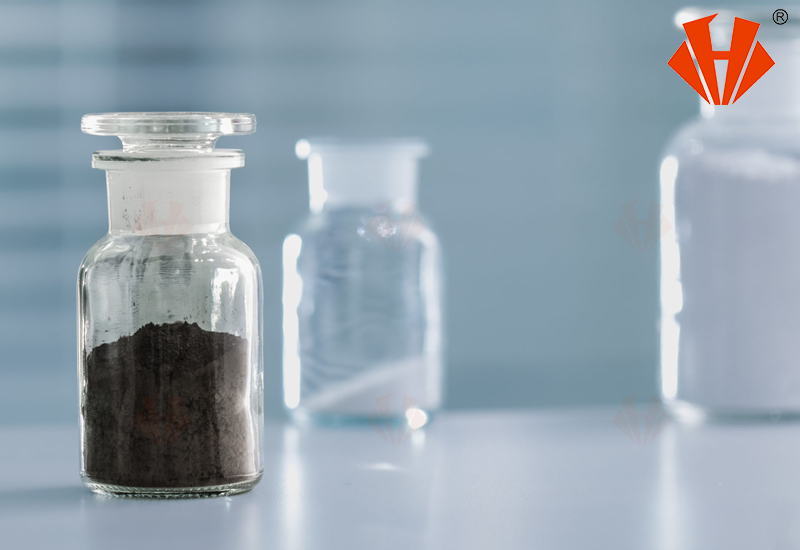
The affect of the mixing ratio, in a simple way is:
High Cobalt Content (e.g., >15%): Equivalent to a cookie with more chocolate, fewer nuts.
Advantages: Good toughness, high impact resistance, less prone to chipping. Like a chewy, soft cookie.
Disadvantages: Lower hardness, poorer wear resistance. The "teeth" wear down more easily when cutting hard materials.
Result: The tool is "softer" but more "shock-resistant."
Low Cobalt Content (e.g., <6%): Equivalent to a cookie with more nuts, less chocolate.
Advantages: Extremely high hardness, very wear-resistant, retains sharpness for a long time. Like a hard, brittle nut brittle.
Disadvantages: High brittleness, poor toughness, sensitive to impact. Prone to shattering like ceramic under impact or vibration.
Result: The tool is "harder" but more "delicate."
The lower the cobalt content, the harder and more wear-resistant the tool, but also more brittle; the higher the cobalt content, the tougher and more impact-resistant the tool, but also softer and less wear-resistant.
Applicable Ratios in Different Industries and Reasons:
There is no such a fixed reference for this ratio, Bcz different manufacturers have their own recipes, but it generally follows these principles:
1. Rough Machining, Intermittent Cutting, High-Impact Conditions (e.g., rough turning of forgings, castings)
Common Ratio: Relatively high cobalt content, about 10%-15% or even higher.
Why?
This type of machining is like using a knife to chop into uneven, hard-surfaced wood, with significant vibration and shock. The tool needs to be "tough and able to withstand impact." It's better to wear out a bit faster than to break on contact. A high-cobalt formula is like putting "body armor" on the tool.
2. Finishing, Continuous Cutting, Hard Material Conditions (e.g., finish turning of hardened steel, titanium alloys)
Common Ratio: Relatively low cobalt content, about 6%-10%.
Why?
This type of machining pursues precision, surface finish, and efficiency. The cutting is stable, but the material is very hard. The tool needs "extreme wear resistance and sharpness retention." Here, hardness is paramount, like using diamond to engrave glass. A low-cobalt formula provides top-tier hardness.
3. General-Purpose Machining (Most Common Scenarios)
Common Ratio: Moderate cobalt content, about 8%-10%.
Why?
This finds a "golden balance point" between hardness, wear resistance, and toughness, like an all-around SUV. It can handle continuous cutting of most materials while withstanding some minor impact, offering the widest applicability.
4. Special Ultra-Precision Machining, High-Speed Cutting
Common Ratio:Very low cobalt content, about 3%-6% (sometimes with additions of other rare metals like tantalum, niobium, etc.).
Why?
Used for machining superalloys, mirror finishing, etc. Requires the tool to maintain ultra-high hardness and chemical stability at high temperatures (red hardness). Low cobalt content minimizes the softening effect of cobalt at high temperatures, allowing the "tough guy" nature of tungsten carbide to fully shine.
We can take it as equipping a warrior when selecting the ratio:
High Cobalt (10%+): Like a warrior equipped with heavy armor and a shield, high defense (impact resistant), suitable for frontline melee combat (rough machining, intermittent cutting).
Medium Cobalt (8-10%): Like a knight in chainmail, balanced offense and defense, suitable for most conventional battles (general-purpose machining).
Low Cobalt (6%-): Like an archer/assassin in light armor or leather armor, extremely high attack power (hardness, wear resistance), but needs protection, suitable for precise strikes from a safe distance (finishing, continuous cutting).
And there is no "best" ratio, only the ratio "most fix or suitable ratio" for the current machining conditions. we should choose the most appropriate "recipe" for the tool based on what material needs to be "cut" and how it will be "cut."
About Huaxin:Tungsten Carbide Cemented Slitting Knives Manufacturer
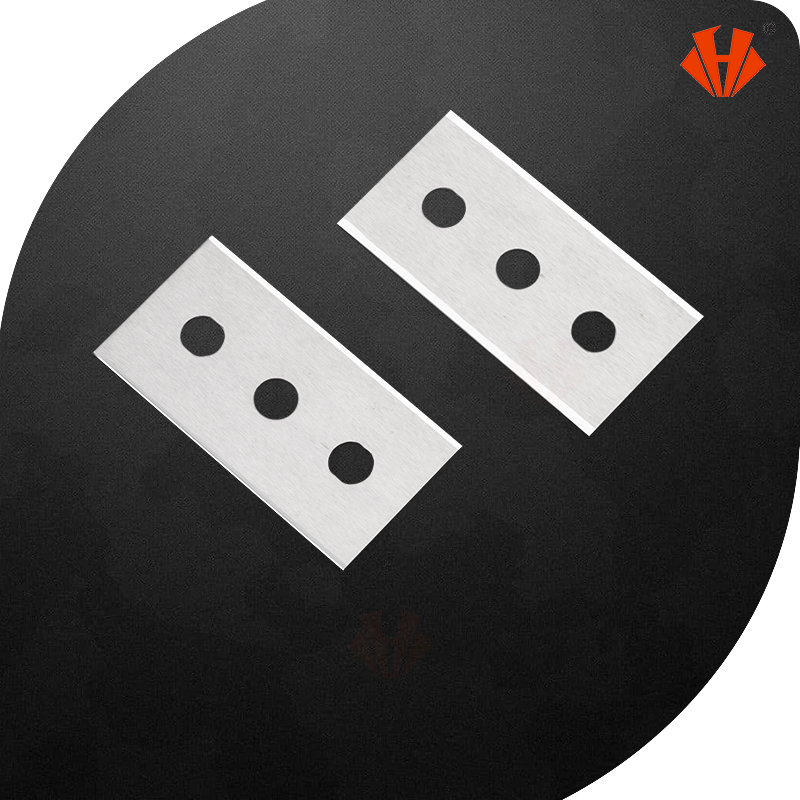
CHENGDU HUAXIN CEMENTED CARBIDE CO.,LTD are a professional supplier and manufacturer of tungsten carbide products, such as carbide insert knives for woodworking,carbide circular knives for tobacco&cigarette filter rods slitting,round knives for corugatted cardboard slitting ,three hole razor blades/slotted blades for packaging ,tape,thin film cutting,fiber cutter blades for textile industry etc.
With over 25 years development, our products have been exported to U. S. A, Russia, South America,India,Turkey,Pakistan,Australia,Southeast Asia etc. With excellent quality and competitive prices, Our hard working attitude and responsiveness are approved by our customers. And we would like to establish new business relationships with new customers.
Contact us today and you will enjoy benefits of good quality and services from our products!
The high performance tungsten carbide industrial blades products
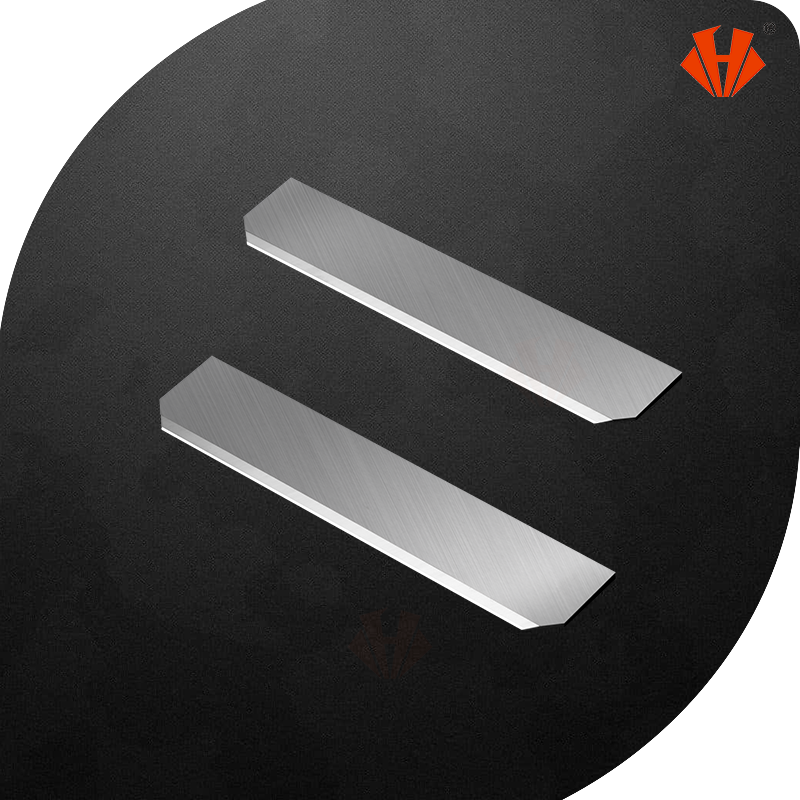
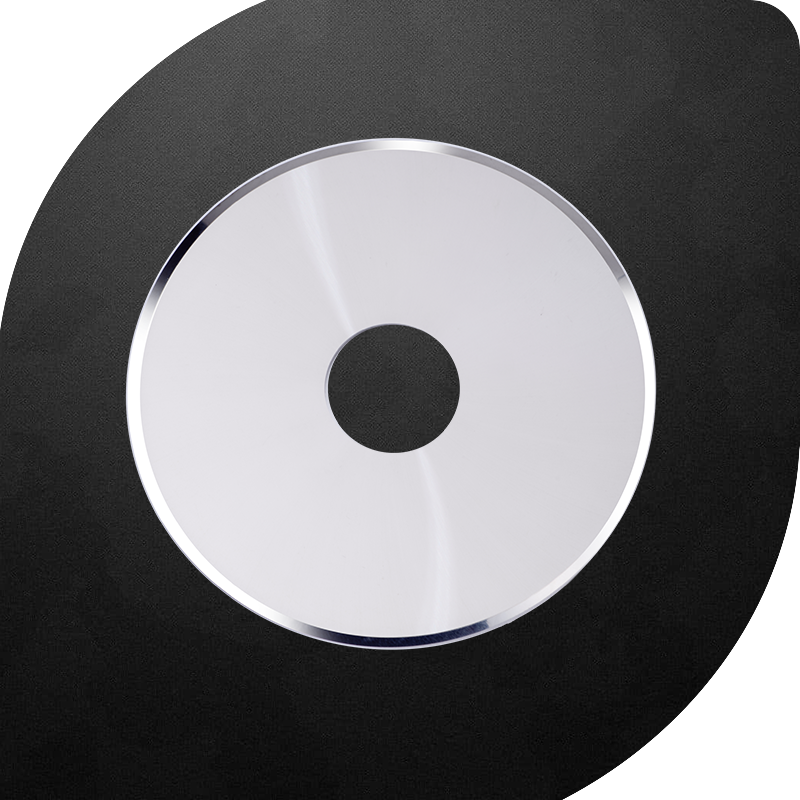

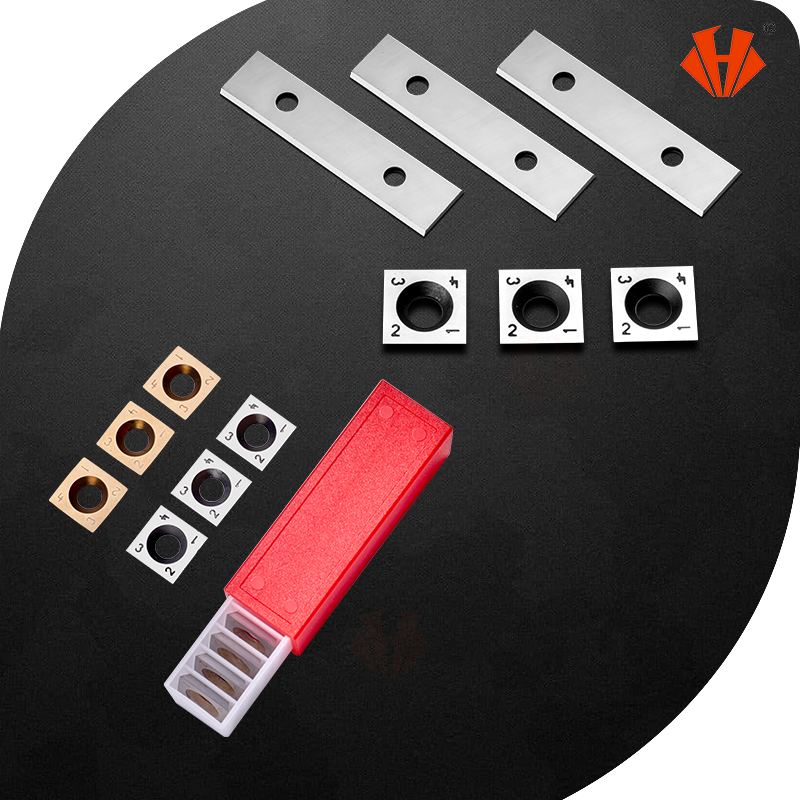
Custom Service
Huaxin Cemented Carbide manufactures custom tungsten carbide blades, altered standard and standard blanks and preforms, starting from powder through finished ground blanks. Our comprehensive selection of grades and our manufacturing process consistently delivers high-performance, reliable near-net shaped tools that address specialized customer application challenges across diverse industries.
Tailored Solutions for Every Industry
custom-engineered blades
Leading manufacturer of industrial blades
Follow us: to get Huaxin's industrial blades products releases

Customer common questions and Huaxin answers
That depends on the quantity, generally 5-14days. As an industrial blades manufacturer, Huaxin Cement Carbide plans the production by orders and customers' requests.
Usually 3-6 weeks, if you request customized machine knives or industrial blades that are not in stock at the time of purchasing. Find Sollex Purchase & Delivery Conditions here.
if you request customized machine knives or industrial blades that are not in stock at the time of purchasing. Find Sollex Purchase & Delivery Conditions here.
Usually T/T, Western Union...deposits firstm, All first orders from new customers are prepaid. Further orders can be paid by invoice...contact us to know more
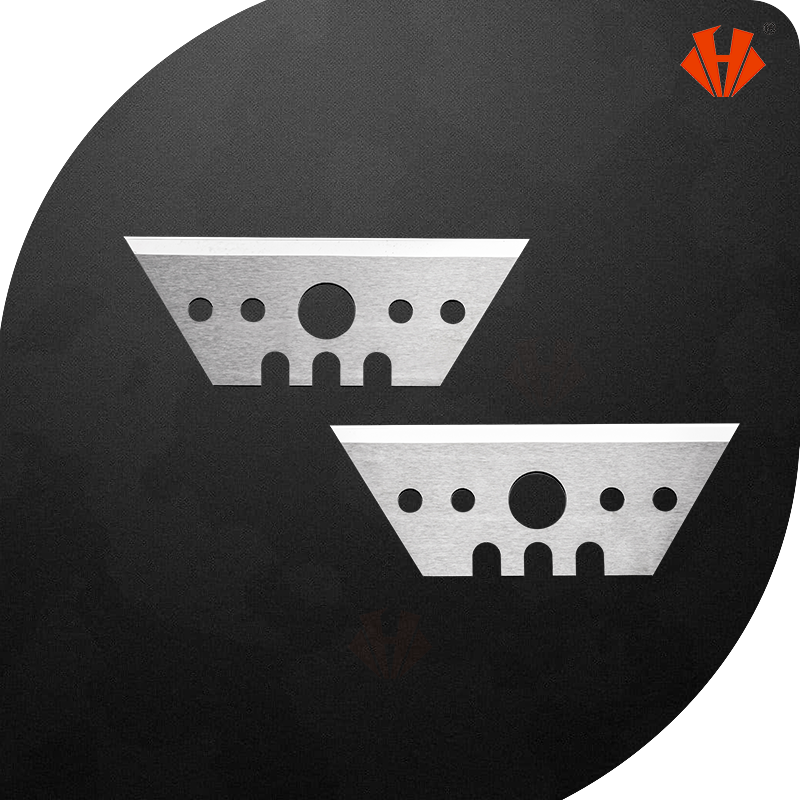
Yes, contact us, Industrial knives are available in a variety of forms, including top dished, bottom circular knives, serrated / toothed knives, circular perforating knives, straight knives, guillotine knives, pointed tip knives, rectangular razor blades, and trapezoidal blades.
To help you get the best blade, Huaxin Cement Carbide may give you several sample blades to test in production. For cutting and converting flexible materials like plastic film, foil, vinyl, paper, and others, we provide converting blades including slotted slitter blades and razor blades with three slots. Send us a query if you're interested in machine blades, and we'll provide you with an offer. Samples for custom-made knives are not available but you are most welcome to order the minimum order quantity.
There are many ways that will prolong the longevity and shelf life of your industrial knives and blades in stock. contact us to know about how proper packaging of machine knives, storage conditions, humidity and air temperature, and additional coatings will protect your knives and maintain their cutting performance.
Post time: Dec-01-2025


