
In the high-speed automated world of tobacco manufacturing, consistency is the ultimate measure of quality. Modern cigarette making machines operate at staggering speeds, often producing up to 20,000 cigarettes per minute. At this velocity, the mechanical components responsible for cutting tobacco filters—primarily made of dense, fibrous acetate tow—must perform with absolute precision. This is where microscopic dimensional tolerances become a critical factor for operational success.
The Impact of Micron-Level Deviations
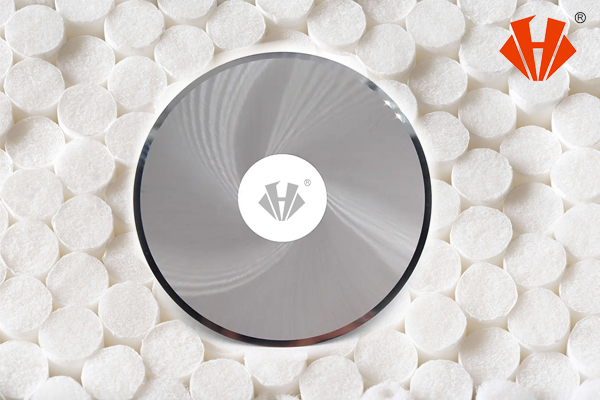
Tobacco filter cutting knives must maintain ultra-tight tolerances in thickness, flatness, and outer diameter. Even a micron-level deviation can trigger a cascading chain of production inefficiencies. If a blade’s thickness fluctuates beyond specified limits, it introduces axial play within the high-speed knife holder. This wobble leads to uneven filter lengths, frayed edges, and an increase in reject rates during quality control inspections.
Why Tight Tolerances Mitigate Wear and Downtime
Friction and heat are the primary enemies of cutting edges in automated machinery. When a filter knife conforms to strict geometric tolerances, it ensures a perfectly synchronized shear alignment with the continuous acetate tow. Key performance metrics heavily reliant on precision tolerances include:
Huaxin Cemented Carbide CO. focuses on using advanced materials and manufacturing processes to produce blades that excel in hardness, wear resistance, and sharpness. Their expertise in carbide technology makes them a trusted partner for businesses in need of high-quality thin film carbide blades.
Discover Precision at www.huaxincarbide.com →
Material Choice: The Foundation of Precision Stability
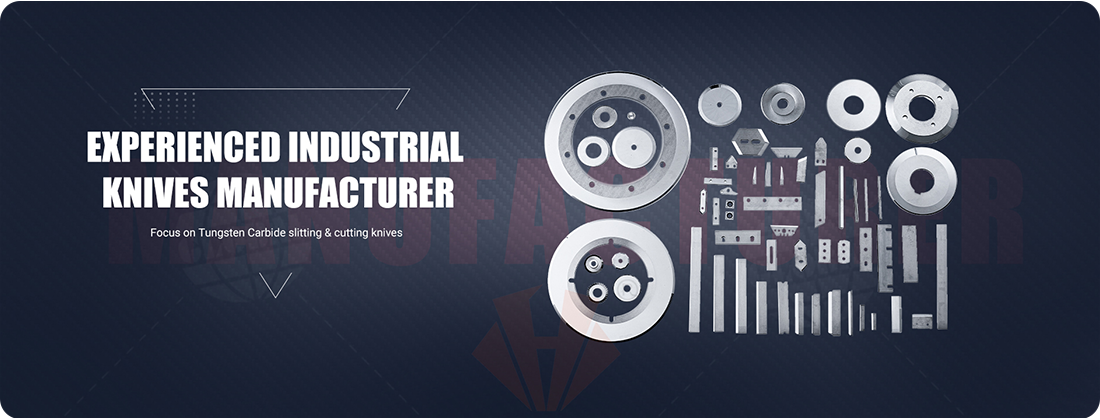
Maintaining tight tolerances during the manufacturing of the knife is only half the battle; the knife must also retain those dimensions under relentless thermal and mechanical stress. Standard steel alloys often deform or dull rapidly under high-speed friction, causing the initial tolerances to drift. Upgrading to premium cemented carbide ensures that the cutting edge remains geometrically stable over extended production cycles.
For tobacco manufacturers looking to optimize yield and reduce machinery downtime, investing in knives with strict tolerance controls is non-negotiable. Precision manufacturing directly translates to crisp filter cuts, less dust accumulation, and a seamless production line that runs smoothly shift after shift.
Post time: Jun-15-2026


