
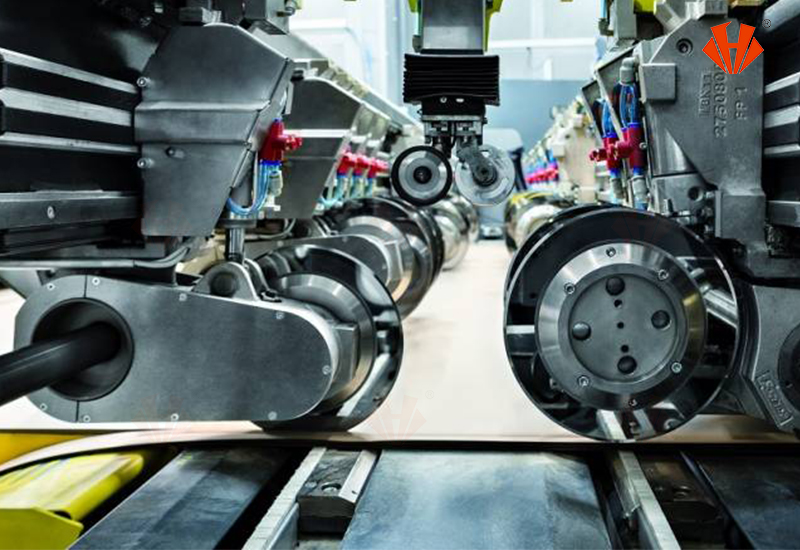
In modern corrugated board production, the Slitter Scorer plays a decisive role in determining final board quality, dimensional accuracy, and overall line efficiency. As production speeds increase and order change cycles shorten, the performance of slitting knives becomes a critical factor. One of the most effective ways to optimize slitter scorer performance is the adoption of tungsten carbide blades, which significantly reduce blade change frequency, minimize downtime, and improve product quality compared to traditional high-speed steel (HSS) knives.
Tungsten Carbide vs. High-Speed Steel: A Performance Perspective
Traditional high-speed steel (HSS) blades have long been used in corrugated converting due to their lower upfront cost and ease of regrinding. However, in high-speed production environments, HSS blades tend to wear quickly. Frequent edge dulling leads to rough cuts, paper dust generation, and increased risk of board crushing. As a result, operators are forced to stop machines regularly for blade replacement or regrinding, creating unwanted interruptions in production.
In contrast, tungsten carbide blades offer superior hardness and wear resistance. Their cutting edges remain sharp over extended production cycles, even under high-speed and high-load conditions. This stability translates directly into fewer blade changes, allowing slitter scorers to operate continuously for longer periods. By reducing maintenance intervals, manufacturers can significantly decrease non-productive time and improve overall equipment efficiency (OEE).
Lower Downtime, Higher Productivity
Frequent blade changes not only interrupt production but also require labor, machine recalibration, and quality checks. Each stoppage impacts throughput and increases operational costs. With tungsten carbide blades, the extended service life dramatically reduces the number of required interventions.
In high-volume corrugator lines, this means:
- Longer uninterrupted production runs
- Reduced operator workload
- Lower maintenance and tooling costs
Ultimately, fewer blade changes lead to a more stable and predictable production process, enabling manufacturers to meet tight delivery schedules with confidence.
Improved Cut Quality and Higher Yield
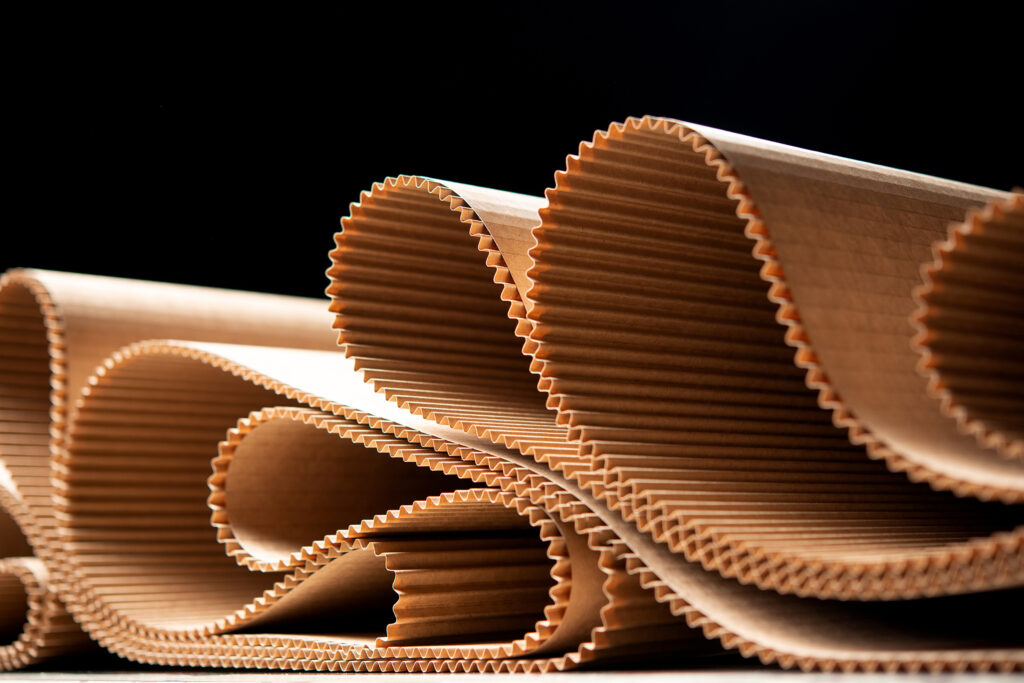
Blade condition directly affects the quality of slitting and scoring. Dull or worn blades can cause:
Tungsten carbide blades maintain a consistently sharp edge, ensuring clean, precise cuts throughout their service life. This consistency reduces material waste and improves the percentage of acceptable products (yield rate). For high-end packaging applications, where edge quality and structural integrity are critical, carbide blades provide a clear advantage over HSS alternatives.
Key Factors Affecting Blade Change Frequency
While material selection is crucial, blade lifespan and replacement frequency are influenced by several operational factors:
Board Composition
Corrugated boards with high recycled fiber content, high adhesive levels, or multi-layer structures accelerate blade wear.
Production Speed
Higher line speeds increase friction and heat, leading to faster edge degradation, especially for HSS blades.
Machine Setup and Alignment
Improper knife overlap, pressure settings, or misalignment can significantly shorten blade life regardless of material.
Cutting Quality Requirements
Stricter quality standards require sharper blades, which may necessitate more frequent changes if inferior materials are used.
Maintenance Practices
Regular cleaning, proper handling, and timely regrinding (for applicable blades) can extend service life.
Understanding and optimizing these factors, combined with the use of tungsten carbide blades, can maximize operational efficiency.
HuaXin Cemented Carbide: Customized Solutions for Corrugated Slitting
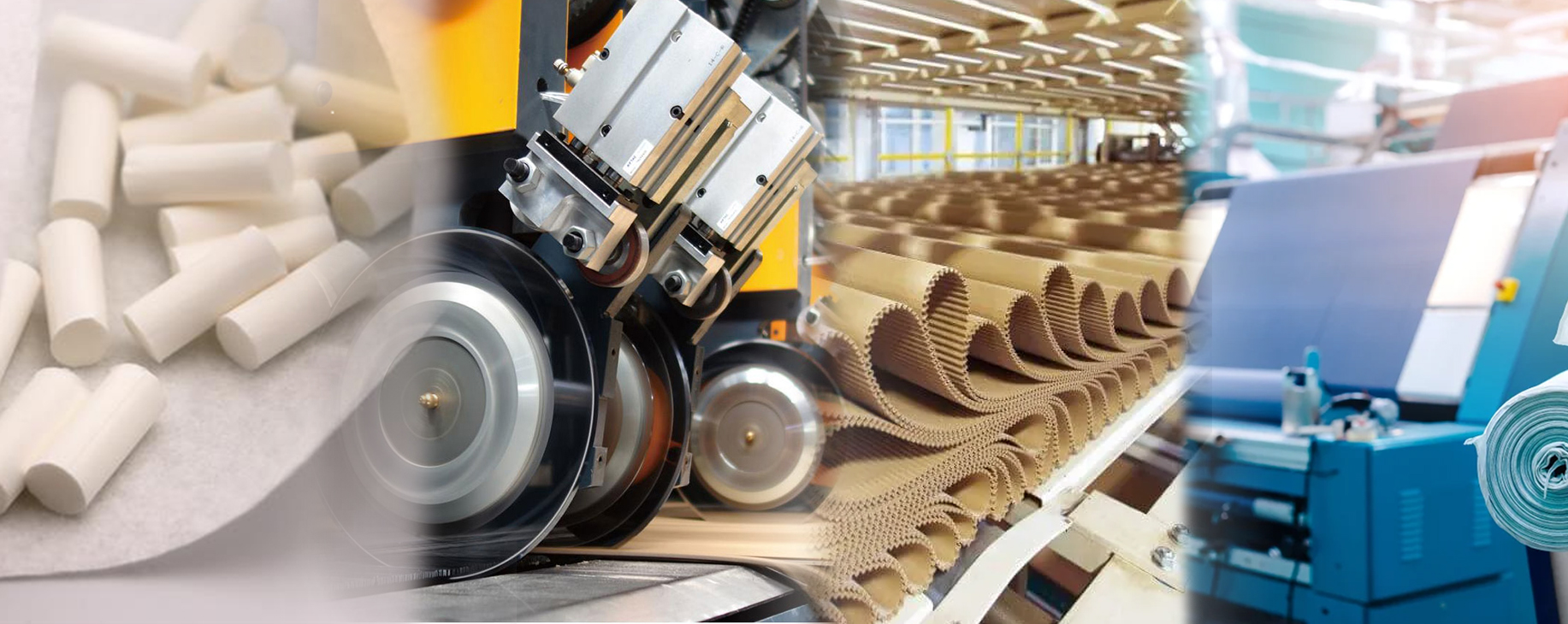
As a specialized manufacturer, HuaXin Cemented Carbide (www.huaxincarbide.com) provides customized tungsten carbide slitter scorer blades tailored to the specific needs of the corrugated packaging industry. With advanced material formulations and precision grinding capabilities, HuaXin ensures optimal blade performance in demanding production environments.
Their carbide blades are engineered to:
Deliver superior wear resistance and edge retention
Adapt to different board grades and machine configurations
Enhance cutting precision and reduce dust generation
Support high-speed, continuous production lines
By offering industry-specific customization, HuaXin helps manufacturers achieve the best possible slitting performance while minimizing downtime and operational costs.
Switching from high-speed steel to tungsten carbide blades in slitter scorer applications is a strategic upgrade for corrugated manufacturers seeking higher efficiency and better product quality. With significantly reduced blade change frequency, lower downtime, and improved cutting consistency, carbide blades provide a clear competitive advantage in today’s fast-paced packaging industry.
Post time: Apr-21-2026


