
The Ultimate Guide to Tungsten Carbide Slitting Knives for Lithium Battery Separators
Precision Slitting · Lithium Battery Manufacturing · Film Converting Solutions
As lithium battery production scales to meet global energy demands, the precision and longevity of separator slitting knives have become critical engineering variables. This guide explains how tungsten carbide slitting knives improve separator quality, production efficiency, and battery safety.
5–30μm
Separator Film Thickness Range
10×
Longer Life Than Steel Blades
±1μm
Edge Tolerance for EV Cells
01. Understanding Lithium Battery Separator Films
Lithium battery separators are microporous polymer films engineered to allow lithium-ion transport while preventing direct contact between the anode and cathode. Separator quality directly affects battery safety, cycle life, and performance.
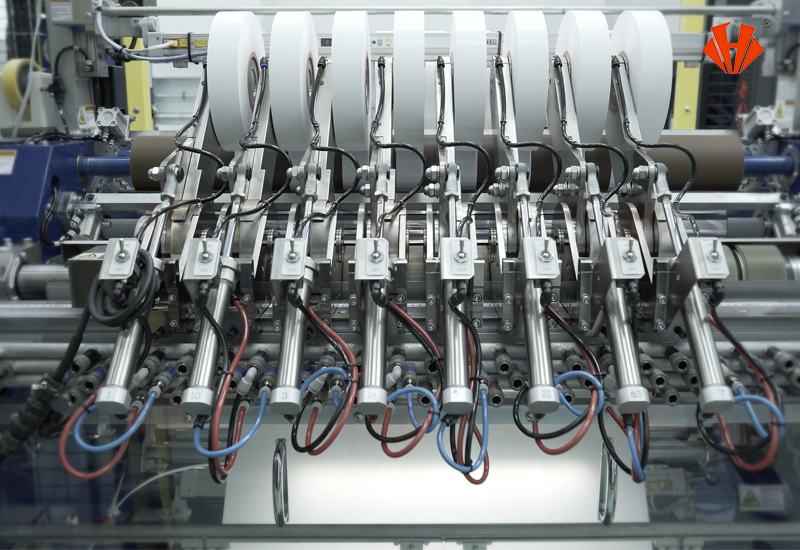
Polyethylene (PE)
The most widely used separator material, typically 7–16μm thick. PE provides excellent chemical resistance and thermal shutdown characteristics around 130°C.
Polypropylene (PP)
Commonly used in single-layer and trilayer separator structures. PP offers higher thermal stability compared with PE.
Ceramic-Coated Separators
Increasingly adopted in EV and ESS applications. Ceramic coatings improve thermal stability but significantly increase film abrasiveness, requiring harder blade materials.
Multilayer Composite Films
Advanced battery cells often use multilayer constructions combining polymers and ceramic coatings, demanding exceptional cutting precision.
Even microscopic burrs, torn edges, or debris generated during slitting can migrate inside battery cells and potentially cause internal short circuits.
02. Why Tungsten Carbide Is the Material of Choice
Separator slitting combines ultra-thin materials, extremely tight tolerances, and continuous high-speed production. Tungsten carbide remains the preferred blade material because of its superior hardness, wear resistance, and dimensional stability.
| Property | Benefit for Separator Slitting |
|---|---|
| Hardness (1400–1800 HV) | Outstanding wear resistance and longer service life. |
| Sharpness Retention | Cleaner edges and reduced burr formation. |
| Dimensional Stability | Consistent slit width during high-speed operation. |
| Contamination Resistance | Lower risk of metallic particle generation. |
| Mirror Surface Finish | Reduced friction and improved film handling. |
03. Slitting Methods and Corresponding Blade Types
Shear Slitting
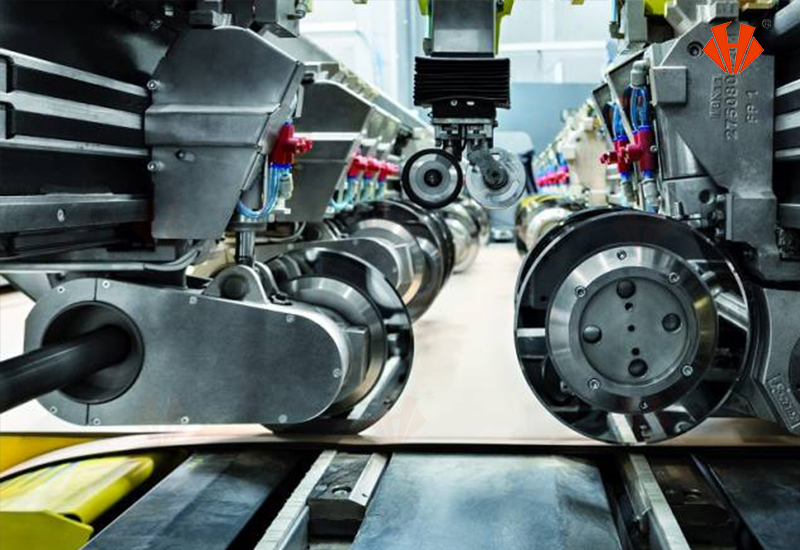
Uses upper and lower circular knives to create a scissor-like cutting action. Delivers the highest edge quality and is the preferred method for lithium battery separators.
Score Cutting
A sharp blade presses the material against an anvil roll. Suitable for thicker or laminated structures but generates higher edge stress.
Razor Slitting
A stationary razor blade cuts the moving film. Common in specialty separator applications where ultra-thin materials are processed.
Shear slitting with precision tungsten carbide knives remains the gold standard for lithium battery separator production.
04. Key Blade Specifications for Separator Slitting
| Specification | Recommended Requirement |
|---|---|
| Carbide Grade | Ultra-fine grain <0.5μm, 6–10% cobalt binder |
| Blade Diameter | Typically 100–200 mm |
| Thickness Tolerance | ±0.002 mm or better |
| Bevel Angle | 15–25° depending on separator type |
| Surface Roughness | Ra < 0.05μm |
| Runout | Axial < 0.003 mm, Radial < 0.005 mm |
Looking for High-Precision Battery Separator Slitting Knives?
Huaxin Cemented Carbide manufactures premium tungsten carbide slitting knives for lithium battery separator production, film converting, and precision industrial cutting applications.
Custom Dimensions • Ultra-Fine Carbide Grades • Mirror Polished Edges
“`
Post time: Jun-08-2026


