
Trouble comes that when short fiber cutting blades made from tungsten carbide start breaking earlier than expected, it isn’t always because the material itself is weak — far from it.
Tungsten carbide is chosen precisely for its extreme hardness and wear resistance, but its brittle nature also means that when things go wrong, the blade can fail suddenly rather than slowly wear out like a steel tool. Understanding why that happens in real applications is the first step to fixing it.
1. Heat: A Silent Killer at the Cutting Edge
One of the most common and often overlooked causes of premature blade breakage is thermal stress. Tungsten carbide blades are composites: hard WC particles bonded with a cobalt binder. At elevated temperatures, especially over ~800 °C, the cobalt binder begins to weaken and lose strength, letting micro-cracks form along the edge. This isn’t guesswork — in hot stamping and trimming lines where temperatures exceed typical limits, blades have been observed with tiny thermal cracks long before their expected life ended.
A fact exist that: a high-speed trimming process running nonstop in the summer months. The heat from friction builds up at the edge, weakening the binder and creating tiny fractures. Before long, the blade simply snaps where those micro-cracks have accumulated.

2. Operating Parameters: Too Fast Is Too Fragile
Heat can also be generated by the way you run the blade. If your feed rates or cutting speeds are too aggressive, the blade doesn’t get a chance to slice — it essentially rubs against the material, generating friction and heat. This localized rise in temperature combined with mechanical load accelerates edge breakdown and can lead to catastrophic failure even when the blade is new.
A challenge that lies in industrial process:One production line tried speeding up to meet demand, only to see blade life plummet. The culprit wasn’t bad carbide — it was thermal buildup caused by excessive speed and insufficient cooling, turning a brittle, high-performance blade into an overheated, brittle crack-starter.
3. Coating Defects and Surface Issues
It’s easy to focus on the carbide core, but many modern short fiber blades are coated to reduce friction and improve durability. If the coating has defects — peeling, uneven coverage, or bubbling — it exposes bare carbide to direct wear and heat, accelerating failure right where you least want it. Hairline cracks or uneven edge geometry from manufacturing defects also act like stress concentrators under load.
QC Alarm:A factory buys what appears to be a good batch of coated carbide knives. But after a few cycles, some edges start chipping early. Upon inspection, they find microscopic coating gaps. Those tiny unprotected spots wore rapidly, creating uneven forces and ultimately causing brittle breakage.
4. Installation and Alignment Mistakes

Even the best blade in the world will fail if it’s not set up properly. Improper alignment or incorrect mounting can subject parts of the blade to uneven stress. When one part of an edge takes more load than the rest, fatigue sets in fast. Misalignment can also induce vibration, which carbide hates — it’s strong under steady load, but vibration causes shock stresses that lead to cracking.
An real experience is that:A shop noticed that one blade slot in their cutter always failed first. The geometry was off — that position put more bending force on the edge. After correcting the mounting and ensuring all blades sat perfectly square, premature breaks disappeared.
5. Material Handling: Abrasive and Shock Loads
Short fiber materials can contain abrasive constituents, or unexpected hard inclusions, that dramatically increase wear and stress at the cutting edge. If the blade encounters sudden resistance or hard spots, that shock force can exceed the fracture toughness of tungsten carbide and lead to instantaneous breaks.
Textile industry Cases:A textile line cutting mixed fiber rolls suddenly sees blade failures. Upon deeper inspection, the batch contains abrasive fiberglass strands. The abrasive action not only accelerates wear but also creates uneven forces that chip and then fracture the brittle carbide edge.

Huaxin Cemented Carbide continues to develop tungsten carbide blade solutions engineered specifically for modern staple fiber cutting challenges, where true hardness is built into the material itself.
About Huaxin:Tungsten Carbide Cemented Slitting Knives Manufacturer
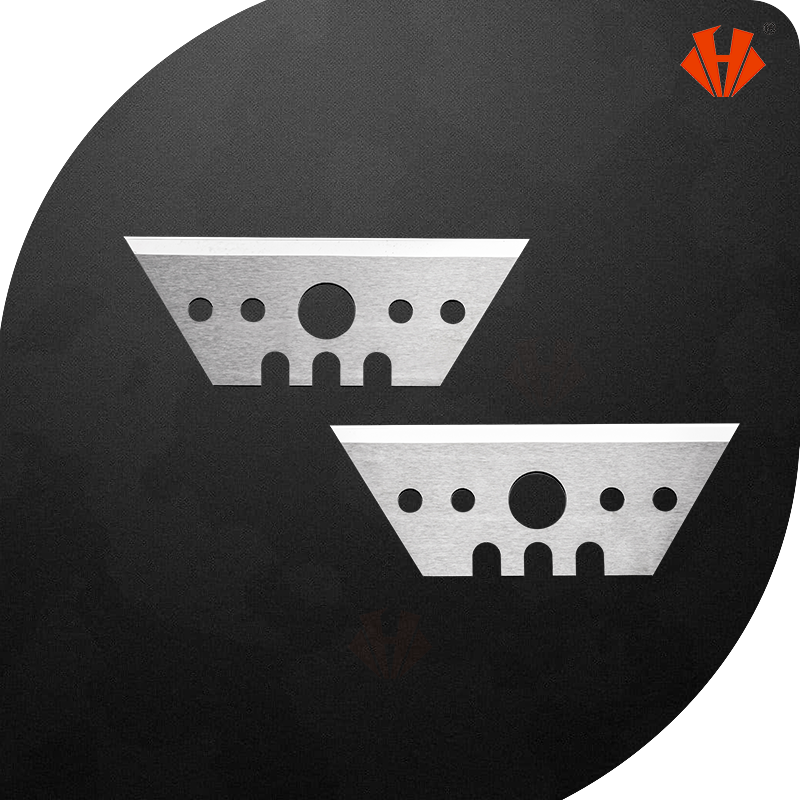
CHENGDU HUAXIN CEMENTED CARBIDE CO.,LTD are a professional supplier and manufacturer of tungsten carbide products, such as carbide insert knives for woodworking,carbide circular knives for tobacco&cigarette filter rods slitting,round knives for corugatted cardboard slitting ,three hole razor blades/slotted blades for packaging ,tape,thin film cutting,fiber cutter blades for textile industry etc.
With over 25 years development, our products have been exported to U. S. A, Russia, South America,India,Turkey,Pakistan,Australia,Southeast Asia etc. With excellent quality and competitive prices, Our hard working attitude and responsiveness are approved by our customers. And we would like to establish new business relationships with new customers.
Contact us today and you will enjoy benefits of good quality and services from our products!
The high performance tungsten carbide industrial blades products
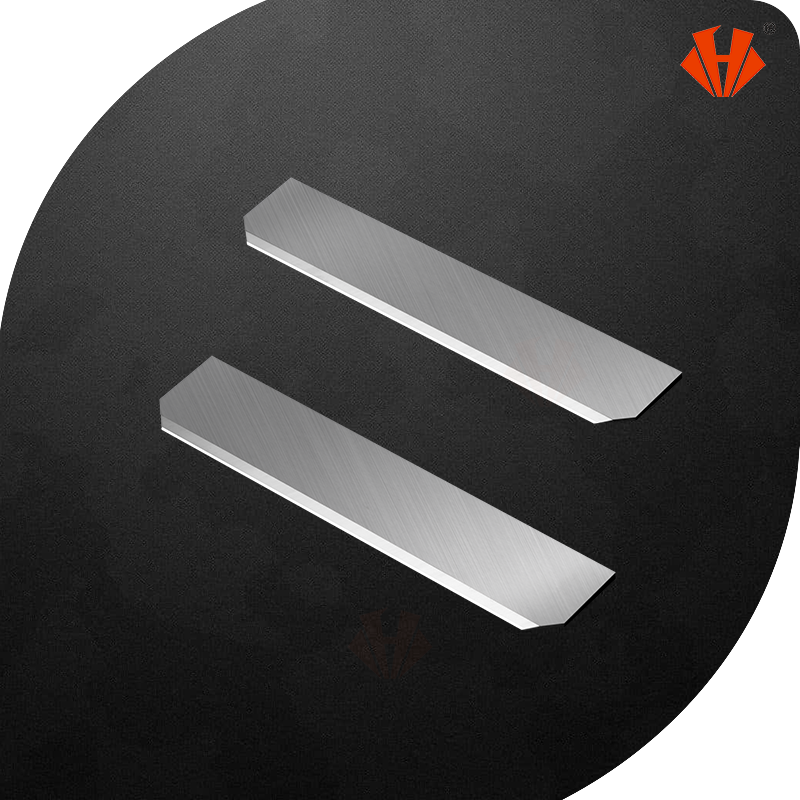
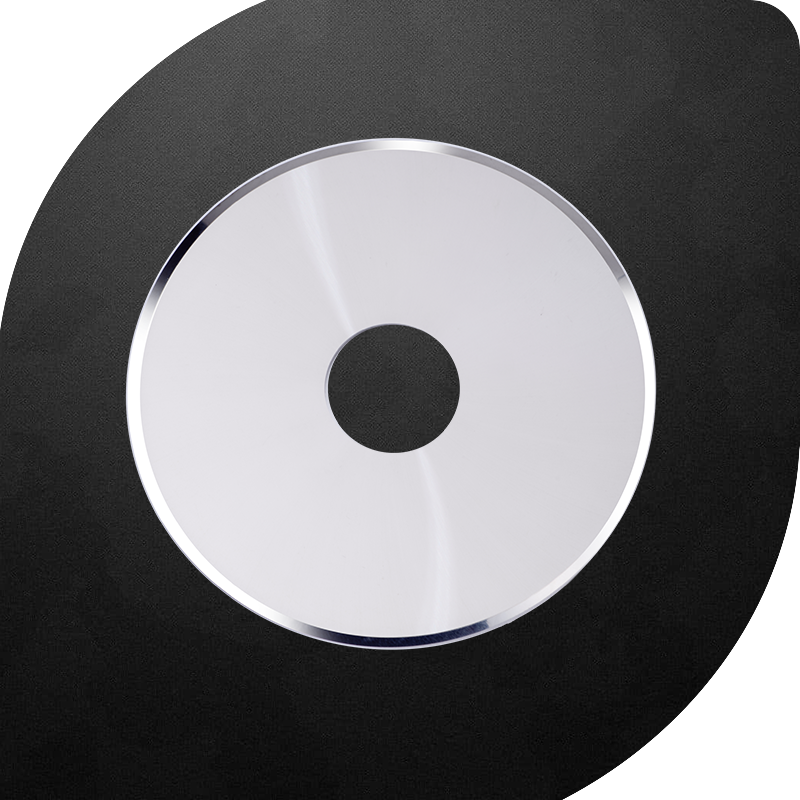

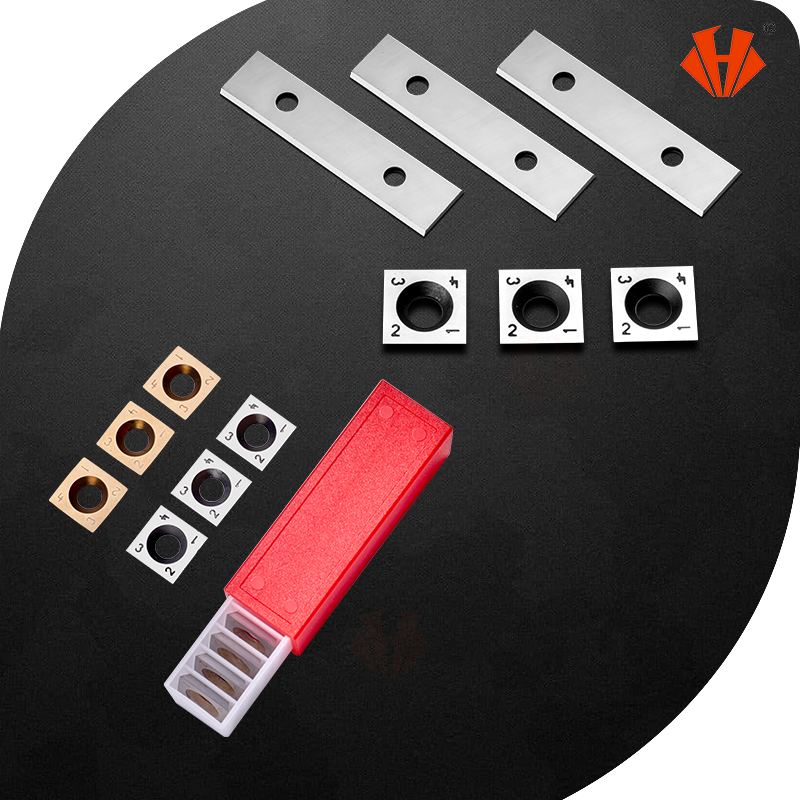
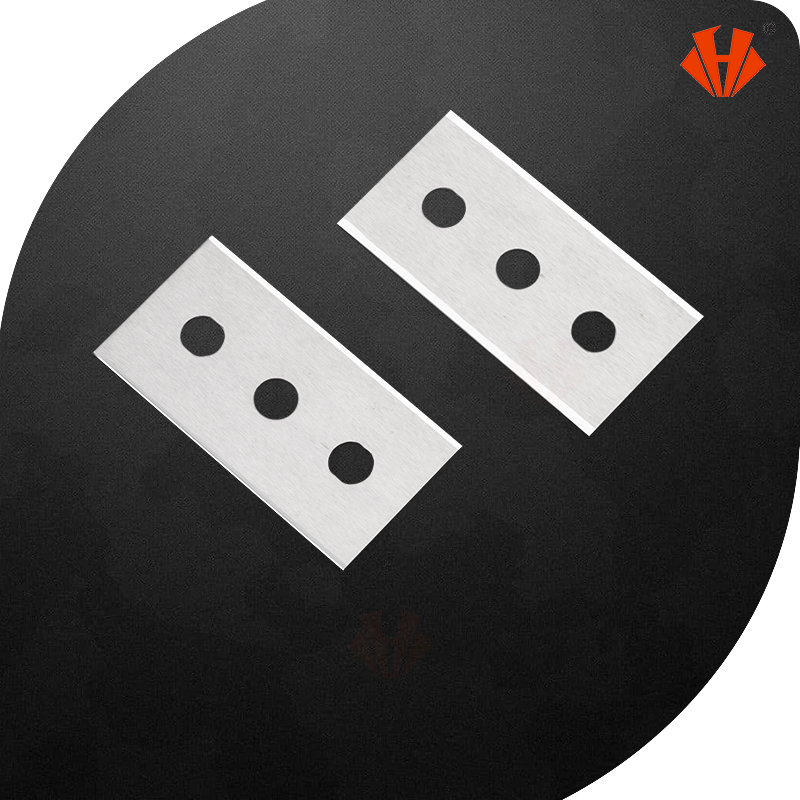
Custom Service
Huaxin Cemented Carbide manufactures custom tungsten carbide blades, altered standard and standard blanks and preforms, starting from powder through finished ground blanks. Our comprehensive selection of grades and our manufacturing process consistently delivers high-performance, reliable near-net shaped tools that address specialized customer application challenges across diverse industries.
Tailored Solutions for Every Industry
custom-engineered blades
Leading manufacturer of industrial blades
Follow us: to get Huaxin's industrial blades products releases

Customer common questions and Huaxin answers
That depends on the quantity, generally 5-14days. As an industrial blades manufacturer, Huaxin Cement Carbide plans the production by orders and customers' requests.
Usually 3-6 weeks, if you request customized machine knives or industrial blades that are not in stock at the time of purchasing. Find Sollex Purchase & Delivery Conditions here.
if you request customized machine knives or industrial blades that are not in stock at the time of purchasing. Find Sollex Purchase & Delivery Conditions here.
Usually T/T, Western Union...deposits firstm, All first orders from new customers are prepaid. Further orders can be paid by invoice...contact us to know more
Yes, contact us, Industrial knives are available in a variety of forms, including top dished, bottom circular knives, serrated / toothed knives, circular perforating knives, straight knives, guillotine knives, pointed tip knives, rectangular razor blades, and trapezoidal blades.
To help you get the best blade, Huaxin Cement Carbide may give you several sample blades to test in production. For cutting and converting flexible materials like plastic film, foil, vinyl, paper, and others, we provide converting blades including slotted slitter blades and razor blades with three slots. Send us a query if you're interested in machine blades, and we'll provide you with an offer. Samples for custom-made knives are not available but you are most welcome to order the minimum order quantity.
There are many ways that will prolong the longevity and shelf life of your industrial knives and blades in stock. contact us to know about how proper packaging of machine knives, storage conditions, humidity and air temperature, and additional coatings will protect your knives and maintain their cutting performance.
Post time: Mar-05-2026


